
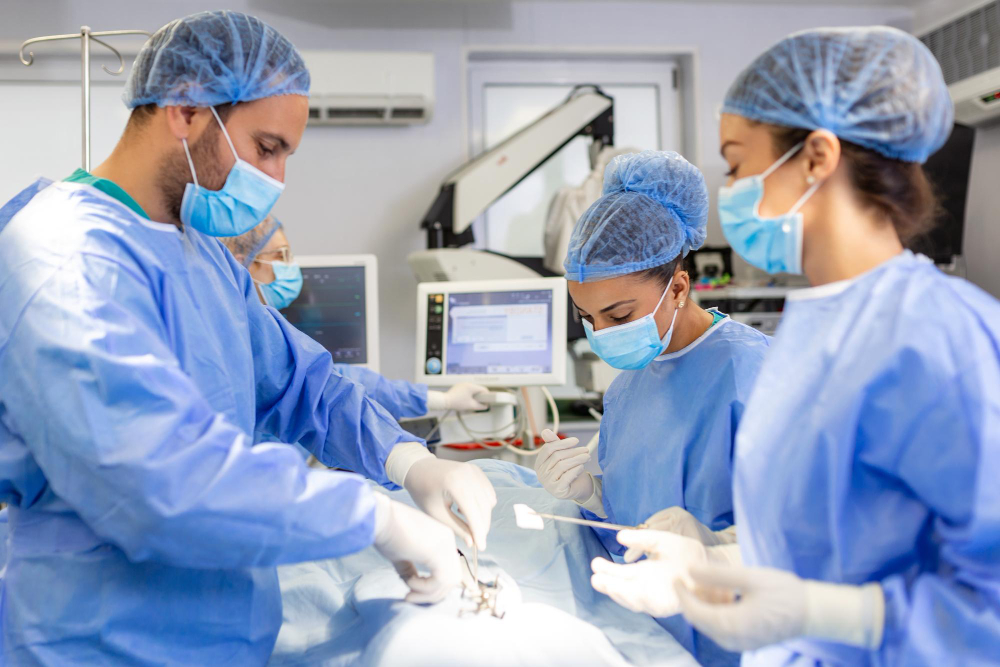
What Is Laparoscopic Surgery and How Does It Work?
Laparoscopic surgery is a form of minimally invasive surgery performed through small incisions, usually in the abdomen.
During the procedure, the surgeon inserts a thin instrument called a laparoscope through a small opening. The laparoscope has a camera that sends images to a monitor, allowing the surgical team to view the inside of the body.
Additional small instruments may be inserted through other incisions to perform the required operation.
Compared with traditional surgery, the smaller openings can reduce the amount of tissue disruption involved in certain procedures.
What Are the Common Types of Laparoscopic Surgery?
There are several types of laparoscopic surgery, depending on the condition being treated. Common procedures may include:
- Laparoscopic gallbladder removal
- Laparoscopic hernia repair
- Laparoscopic appendectomy
- Certain gynecological procedures
- Some intestinal and colorectal procedures
- Certain stomach and abdominal surgeries
Not every patient or condition is suitable for a laparoscopic approach. Your surgeon will assess your individual case before recommending a procedure.
What Are the Benefits of Laparoscopic Surgery?
One of the main reasons laparoscopic techniques are widely used is that they can reduce the size of surgical incisions. Potential laparoscopic surgery benefits may include:
- Smaller surgical incisions
- Less postoperative pain in many cases
- Reduced scarring
- Lower risk of certain wound-related complications
- Shorter hospital stays for some procedures
- Earlier return to normal activities in suitable patients
The benefits can vary depending on the type of operation and the patient's overall health. The surgeon will explain the expected benefits of laparoscopic surgery and whether this approach is appropriate for you.
Laparoscopic Surgery vs Open Surgery: What Is the Difference?
The main difference between laparoscopic surgery vs open surgery is how the surgeon accesses the area being treated.
Open surgery generally involves a larger incision to provide direct access to the surgical area. Laparoscopic surgery uses smaller incisions and a camera-assisted approach.
Laparoscopic procedures may result in less tissue disruption and smaller scars for suitable patients. However, open surgery may still be necessary or more appropriate for certain complex cases.
The choice should always be based on the patient's condition, safety, and the surgeon's clinical judgment rather than simply choosing the procedure with smaller incisions.
What Conditions Can Be Treated With Laparoscopic Surgery?
Laparoscopic techniques can be used to treat a range of abdominal and pelvic conditions. Depending on the patient's condition, they may be used for problems involving the:
- Gallbladder
- Appendix
- Hernias
- Stomach
- Intestines
- Reproductive organs
- Other abdominal or pelvic structures
Your doctor may recommend imaging tests, blood tests, or other evaluations before deciding whether laparoscopic treatment is appropriate.
How Is Laparoscopic Surgery Performed?
The exact laparoscopic surgery procedure varies according to the operation. Generally, the patient receives anesthesia before surgery. The surgeon then makes small incisions and inserts the laparoscope and specialized surgical instruments.
A camera provides a magnified view of the surgical area on a monitor. The surgeon performs the required treatment using the instruments inserted through the small openings.
After the procedure is completed, the instruments are removed and the incisions are closed. The duration of surgery depends on the type and complexity of the procedure.
How Long Does It Take to Recover After Laparoscopic Surgery?
Laparoscopic surgery recovery time varies from one patient to another. Some patients may return to light daily activities relatively quickly, while more complex procedures may require a longer recovery period.
Recovery can depend on several key factors:
- Type of surgery
- Overall health and age
- Existing medical conditions
- Surgical complexity
- Postoperative care
Your surgeon will provide specific instructions about walking, diet, wound care, work, exercise, and follow-up appointments. Even when recovery feels comfortable, patients should avoid strenuous activities until their doctor says it is safe.
Is Laparoscopic Surgery Safe? Risks and Possible Complications
Laparoscopic surgery is commonly performed, but like any surgical procedure, it has potential risks. Possible complications may include infection, bleeding, reactions to anesthesia, blood clots, or injury to surrounding organs. Some procedures may also need to be converted to open surgery if the surgeon determines that it is safer to do so.
Seek immediate medical attention if you experience concerning symptoms such as severe or worsening pain, persistent vomiting, fever, significant bleeding, breathing difficulties, or unusual swelling after surgery.
How Should You Prepare for Laparoscopic Surgery?
Your preparation will depend on the procedure and your medical condition. Before surgery, your doctor may advise you to:
- Follow fasting instructions: Follow specific fasting instructions provided by your surgical team.
- Review medications: Inform the medical team about allergies or existing conditions and review current medications.
- Complete medical tests: Finish all recommended preoperative medical tests.
- Arrange support: Plan transportation and support for your initial recovery period.
Why Choose Ekashilaa Hospitals for Laparoscopic Surgery in Hanamkonda?
Choosing the right hospital is an important part of your surgical journey. Patients should look for experienced medical professionals, appropriate surgical facilities, proper preoperative evaluation, and reliable postoperative care.
At Ekashilaa Hospitals, patients can receive comprehensive medical evaluation and surgical care based on their individual needs. For patients searching for laparoscopic surgery in Hanamkonda, Warangal, the hospital provides access to modern healthcare facilities and a team focused on patient safety, appropriate treatment planning, and recovery.
Conclusion
Laparoscopic surgery has become an important part of modern surgical care, offering a minimally invasive approach for many suitable procedures. Understanding the laparoscopic surgery benefits, recovery expectations, risks, and available treatment options can help you make informed decisions.
If you are looking for laparoscopic surgery in Hanamkonda, Warangal, Ekashilaa Hospitals is here to support you with professional evaluation, surgical care, and recovery guidance. Taking an informed approach to your surgical care helps ensure the best outcome for your health.
Need Professional Surgical Care?
Have questions about laparoscopic surgery? Schedule a consultation with the experienced medical team at Ekashilaa Hospitals, Hanamkonda to discuss the right treatment approach for your condition.
FAQs About Laparoscopic Surgery

Laparoscopic surgery can offer advantages such as smaller incisions and potentially faster recovery for suitable patients. However, open surgery may be safer or more appropriate for certain conditions.
Recovery time depends on the type of surgery, overall health, and complexity of the procedure. Your surgeon can provide a more specific recovery timeline based on your individual case.
Some discomfort is normal after surgery. Pain levels vary depending on the procedure and individual patient. Doctors can provide medications and instructions to help manage postoperative discomfort.
Potential benefits include smaller incisions, reduced scarring, less postoperative discomfort in many cases, and a quicker return to normal activities compared with some open procedures.
Eligibility depends on the condition being treated, medical history, previous surgeries, overall health, and other factors. A surgeon must evaluate the patient before recommending laparoscopic treatment.
If you are considering laparoscopic treatment, consult Ekashilaa Hospitals for a professional evaluation. The surgical team can assess your condition and discuss suitable treatment options.