
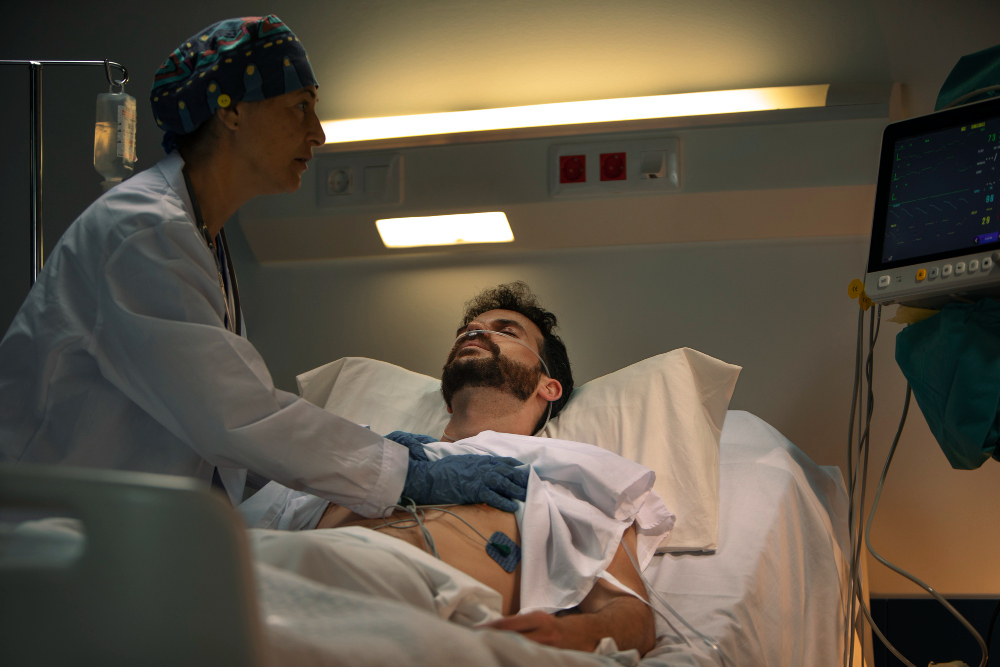
What Is Critical Care and Why Is It Important for Patients?
Critical care is specialised medical treatment provided to patients with severe, life-threatening illnesses or injuries. It involves continuous monitoring, advanced equipment, and medical professionals trained to manage serious health conditions.
The Intensive Care Unit (ICU) is designed to provide this level of support.
Critical care is important because it helps:
- Monitor heart rate, blood pressure, oxygen levels, and breathing.
- Support essential organs when their functions are affected.
- Manage severe infections and medical emergencies.
- Provide advanced respiratory and cardiac support.
- Detect complications and respond quickly.
Understanding critical care symptoms helps families recognise when immediate medical evaluation is necessary.
7 Warning Signs That a Patient May Need Critical Care
Certain symptoms may indicate that a patient's condition is becoming serious. These warning signs require immediate medical assessment.
1. Severe Breathing Difficulties
Difficulty breathing, very rapid breathing, or unusually low oxygen levels may indicate serious respiratory problems. Some patients may require oxygen therapy or ventilator support.
2. Sudden Loss of Consciousness
Unconsciousness, extreme confusion, or difficulty waking up can indicate neurological problems, severe infections, or other medical emergencies.
3. Severe Chest Pain
Sudden chest pain, especially with sweating, breathlessness, or dizziness, may indicate a heart attack or another serious cardiac condition.
4. Uncontrolled Bleeding
Heavy bleeding caused by injuries, internal bleeding, or surgical complications can lead to dangerously low blood pressure and shock.
5. Extremely Low Blood Pressure
A significant drop in blood pressure may reduce blood supply to vital organs. This can be associated with shock and requires urgent medical attention.
6. Severe Infections and High Fever
Serious infections can sometimes progress to sepsis, a life-threatening response to infection that may cause organ dysfunction.
7. Sudden Seizures or Stroke Symptoms
Prolonged seizures, repeated seizures without recovery, sudden weakness, facial drooping, or difficulty speaking require emergency evaluation.
These are important signs a patient needs ICU care, although the final decision depends on medical examination and the patient's overall condition.
When Should a Patient Be Admitted to the ICU?
A patient may require ICU admission when their condition becomes unstable or needs continuous medical supervision and advanced organ support.
Doctors may recommend admission when:
- Breathing requires advanced support.
- Blood pressure cannot be maintained adequately.
- Multiple organs show signs of dysfunction.
- Severe infections lead to organ complications.
- Continuous monitoring is necessary after major surgery.
- Serious injuries require specialised management.
Not every emergency requires ICU admission. Doctors assess the severity of the condition and determine the appropriate level of care.
Common Medical Conditions That Require Intensive Care
Several medical conditions may require intensive care treatment depending on their severity.
These include:
- Heart attacks and severe cardiac complications.
- Brain stroke and serious neurological conditions.
- Severe pneumonia and respiratory failure.
- Sepsis and other serious infections.
- Kidney failure and severe metabolic disturbances.
- Major accidents, trauma, and internal bleeding.
- Complications following major surgeries.
Early diagnosis and appropriate critical care treatment can help manage complications and support recovery.
How Does Critical Care Help Manage Life-Threatening Conditions?
Critical care focuses on stabilising patients and supporting essential body functions.
Depending on the condition, treatment may include:
- Ventilator support for patients with severe breathing difficulties.
- Medicines to maintain blood pressure and circulation.
- Continuous cardiac and oxygen monitoring.
- Intravenous fluids and medication.
- Management of infections and organ complications.
- Nutritional and supportive care.
Treatment is customised according to the patient's medical condition and response to therapy.
Difference Between ICU Care and General Hospital Care
General hospital care is suitable for patients whose conditions are relatively stable and do not require continuous advanced monitoring.
ICU care is intended for critically ill patients who need specialised supervision and medical support.
The main differences include:
- Monitoring: ICU patients receive continuous monitoring of vital signs.
- Medical Support: ICU facilities provide advanced respiratory and organ support.
- Staffing: Specially trained doctors and nurses provide intensive supervision.
- Equipment: ICU units use advanced monitoring and life-support equipment.
Why Is Immediate Medical Attention Important During Emergencies?
Delaying treatment during a medical emergency can increase the risk of complications and organ damage.
For example, untreated severe infections can progress to sepsis, while delays in stroke or heart attack treatment can affect vital organs.
Seek emergency medical attention if a patient experiences severe breathing difficulty, unconsciousness, chest pain, uncontrolled bleeding, or sudden neurological symptoms.
Do not wait for symptoms to improve on their own. Early medical assessment can help doctors identify the problem and initiate appropriate treatment.
What Happens During Critical Care Treatment in the ICU?
When a patient enters the ICU, the medical team first evaluates their condition and identifies immediate treatment requirements.
The process generally involves:
- Initial Assessment: Doctors examine the patient and evaluate vital signs.
- Continuous Monitoring: Heart rate, oxygen saturation, blood pressure, and other parameters are monitored.
- Diagnostic Tests: Blood tests, imaging, and other investigations help identify the underlying condition.
- Treatment Planning: Doctors prepare an individualised treatment plan.
- Ongoing Evaluation: The patient's response is assessed and treatment is adjusted when necessary.
Family members are also informed about the patient's condition and treatment progress.
Critical Care Services at Ekashilaa Hospitals, Hanamkonda
Ekashilaa Hospitals provides multispeciality healthcare services with facilities for emergency management, critical care, and specialised medical treatment.
Established in 2013, the hospital focuses on providing comprehensive medical services across multiple departments.
Its healthcare services include:
- Critical care and ICU management.
- Emergency and trauma care.
- Multispeciality medical consultations.
- Surgical and post-operative care.
- Management of serious medical conditions.
- Diagnostic and supportive healthcare services.
Patients requiring urgent medical attention can benefit from timely evaluation and coordinated care.
If you are searching for a critical care hospital in Hanamkonda, Warangal, choosing a hospital with emergency facilities and specialised medical support is important.
Conclusion
Understanding when a patient needs critical care can help families recognise medical emergencies and seek timely treatment. Warning signs such as breathing difficulties, unconsciousness, severe chest pain, and sudden neurological changes should never be ignored.
Early medical intervention, continuous monitoring, and appropriate intensive care can play an important role in managing serious health conditions.
Ekashilaa Hospitals, Hanamkonda, provides multispeciality healthcare, emergency management, and critical care services. Seek timely medical guidance and prioritise your health and safety.
Looking for Critical Care and ICU Services in Hanamkonda?
Contact Ekashilaa Hospitals to enquire about emergency services, critical care facilities, and available multispeciality healthcare services.
Frequently Asked Questions About Critical Care and ICU Treatment

A patient may need critical care when they experience life-threatening conditions such as respiratory failure, severe infections, cardiac complications, or organ dysfunction. Doctors recommend ICU admission when continuous monitoring or advanced medical support becomes necessary.
Common critical care symptoms include severe breathing difficulties, unconsciousness, chest pain, uncontrolled bleeding, extremely low blood pressure, and sudden seizures. These symptoms require immediate medical evaluation to identify the underlying cause.
No, not every emergency requires ICU admission. Patients with stable conditions may receive treatment in the emergency department or general ward. ICU admission depends on the severity of illness and the need for continuous monitoring or organ support.
The duration of ICU care depends on the patient's condition, treatment response, and recovery progress. Some patients require only a few days, while others may need longer monitoring and specialised treatment.
Look for a hospital with ICU facilities, emergency services, experienced medical professionals, advanced monitoring equipment, and access to multispeciality care. Timely medical attention and coordinated treatment are also important.
Critical care refers to specialised treatment for patients with serious or life-threatening conditions. The ICU is the dedicated hospital unit where this treatment is commonly provided through continuous monitoring and advanced medical support.